




Mouth ulcers are small, painful lesions that appear on the lining of the mouth and can become a real inconvenience in daily life. Although they are not contagious, their frequency and intensity can affect eating, speaking and overall well-being.
Mouth ulcers can appear for various reasons, including hormonal changes, deficiencies in vitamins or minerals (such as iron, zinc, vitamin B12 and folic acid), physical or emotional stress, trauma inside the mouth, reactions to acidic or spicy foods, as well as autoimmune conditions or infections. Although they are usually small and disappear on their own, the discomfort they cause can be significant.
There are several myths about mouth ulcers that are worth clarifying. One common belief is that applying bicarbonate of soda directly onto the ulcer helps relieve the burning sensation. In reality, this practice causes intense pain and may worsen the lesion, as bicarbonate is abrasive and not an appropriate treatment.
Another frequent myth is confusing mouth ulcers with cold sores. Mouth ulcers are an inflammatory response to internal or external triggers and are not contagious, whereas cold sores are caused by the Herpes Simplex virus, presenting as small infectious blisters that can spread through contact.
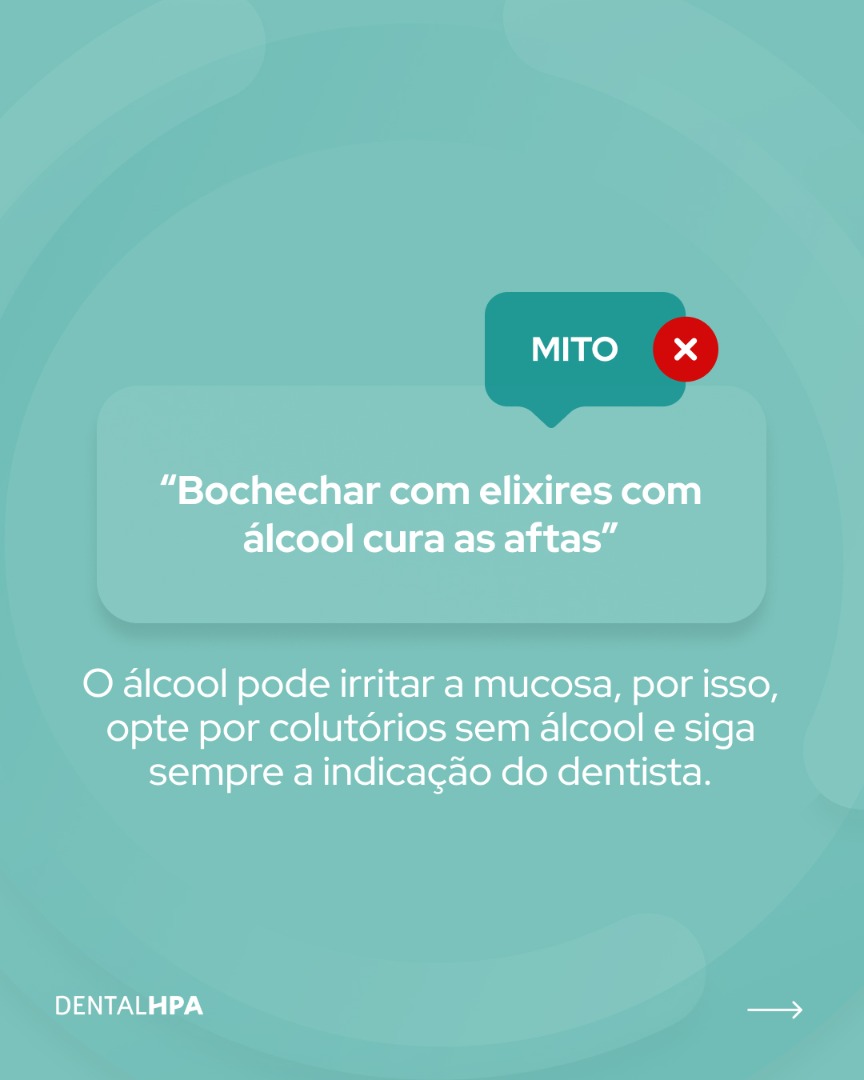
Many people also believe that rinsing with alcohol-based mouthwashes is the best remedy. In fact, mouthwashes containing alcohol can further irritate the mucosa; it is preferable to use alcohol-free solutions, always following the guidance of a dentist or dental hygienist.
Although mouth ulcers usually heal naturally, there are measures that can help reduce discomfort and speed up healing. It is important to drink plenty of water, avoid foods that are very acidic, spicy or hard, refrain from extremely hot or cold drinks, and use alcohol-free mouthwashes. Maintaining good oral hygiene, while brushing gently around the affected area, is also helpful. In most cases, the burning sensation improves within one to two days and the lesion heals in about a week.
It is essential to see a dentist if mouth ulcers appear frequently or in large numbers, if they cause severe pain that does not improve, or if they persist for more than two weeks.
To prevent mouth ulcers, it is recommended to follow a balanced diet rich in vitamins and minerals, reduce stress, sleep well, avoid trauma inside the mouth and maintain regular oral hygiene.
At Dental HPA, we are available to answer your questions, provide appropriate treatments and help ensure your smile remains healthy and comfortable. Do not ignore persistent lesions or very frequent mouth ulcers.

Agende a sua consulta e venha descobrir como podemos ajudá-lo a conquistar um sorriso mais branco, saudável e confiante.
23, December 2025